 Skip to main content
Define the starting point
Record the existing substrate, crop variety, root-zone volume, emitter configuration, irrigation strategy and operational objective before the trial begins.

A transparent framework for evaluating coco coir in greenhouse, nursery and controlled-environment production. Review what a credible substrate trial should measure, how to compare batches and how Avee documents customer-approved results.
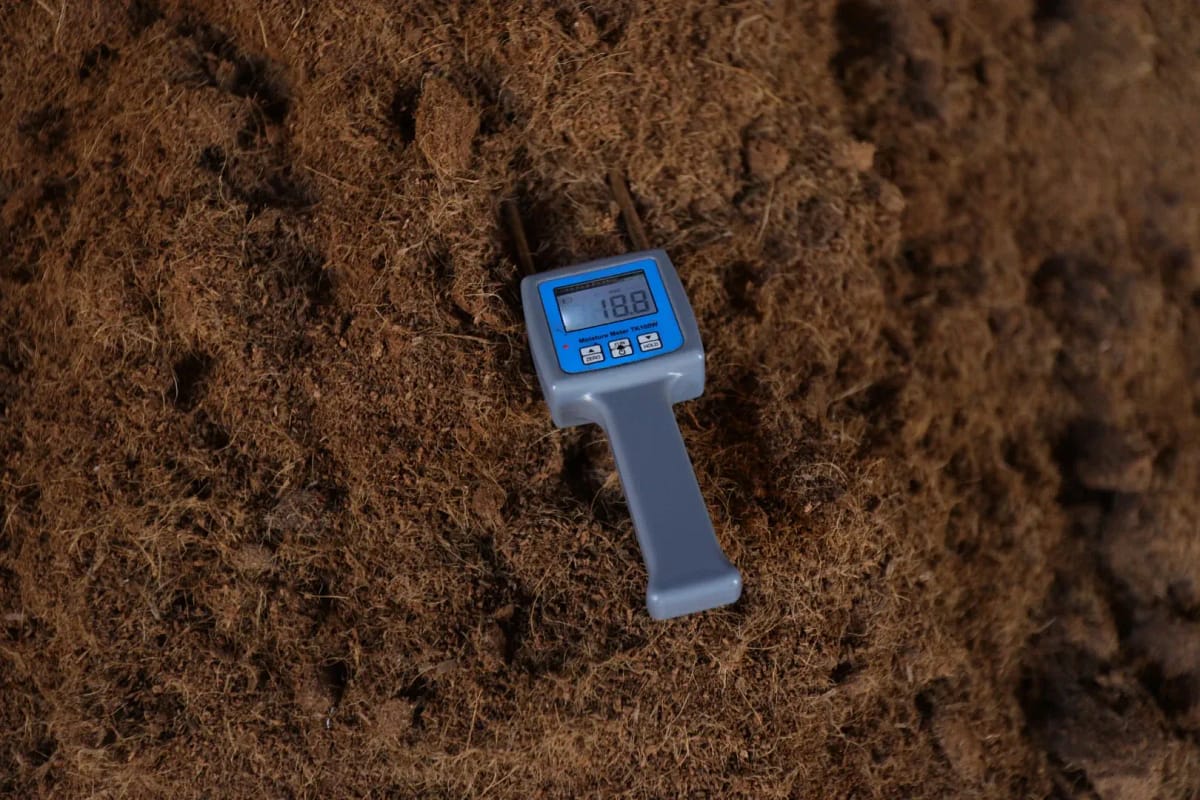
Greenhouse substrate performance depends on crop, climate, water quality, fertigation, container geometry, crop duration and operating practice. A useful coco coir case study must explain those conditions—not just display a yield number without context.
Record the existing substrate, crop variety, root-zone volume, emitter configuration, irrigation strategy and operational objective before the trial begins.
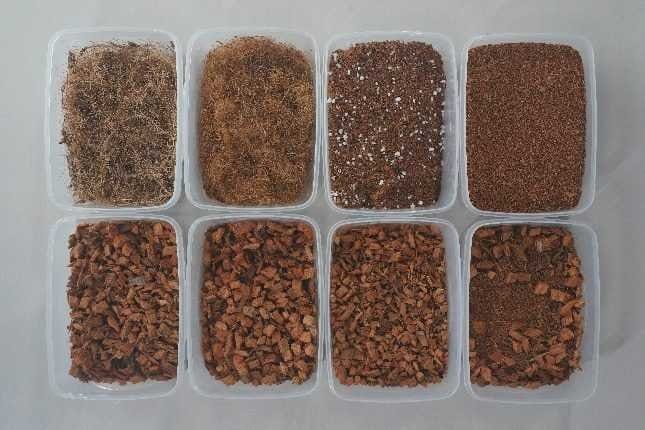
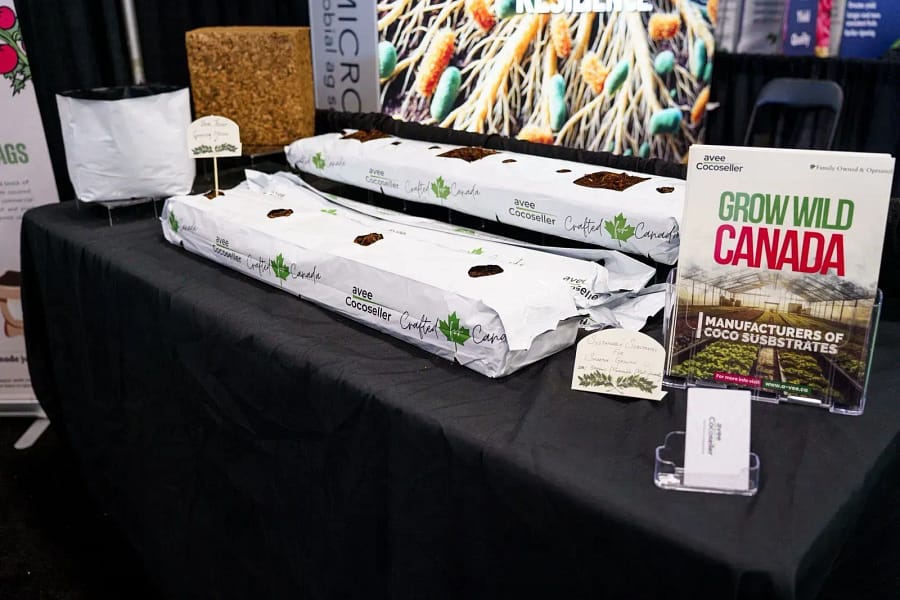
Use the same product format and batch specification intended for commercial supply. A generic coco sample cannot validate a different blend or finished grow bag.
Document crop conditions, trial duration, sample size and limitations alongside observations so another grower can judge whether the result is relevant.
| Trial stage | Information to document | Why it matters |
|---|---|---|
| Pre-trial baseline | Current product, cost, labour, losses and operational concern | Defines the comparison and prevents changing the success criteria later |
| Material qualification | Product dimensions, blend direction, expansion, EC/pH test method and batch documents | Connects trial results to the material that can actually be ordered |
| Production trial | Number of plants or trays, treatment layout, irrigation, climate and duration | Provides context and helps separate substrate effects from operational changes |
| Commercial review | Performance, handling, freight, consistency, labour and end-of-cycle considerations | Evaluates total operational fit rather than one isolated measurement |
These crop guides are qualification starting points. They describe application requirements and questions to resolve before a commercial trial; they are not substitutes for a customer-approved case study.
Grow-bag formats, crop-steering considerations, root-zone volume and commercial specification inputs.
Different moisture and aeration directions for high-wire crops using slabs, bags and frequent drip irrigation.
Tabletop and container programmes where crop duration, bag geometry and structural stability matter.
Cubes, pellets and loose-media formats for cells, trays, pots, cuttings and young-plant operations.
Qualification direction for lettuce, culinary herbs, microgreens and vertical-farm propagation.
Root-zone structure and custom-format considerations for roses, gerbera and greenhouse flowers.
Agree on the crop, operating question, baseline, trial size, duration and decision criteria.
Confirm product format, test method, batch documents, packaging and delivery requirements.
Run the material under the grower’s normal water, nutrition, climate and production workflow.
Review observations with the grower and publish only information they verify and authorize.
Before planning a trial, review Avee’s quality and batch documentation guide, EC, pH and buffering guide and commercial samples and shipping process.
No responsible substrate supplier should guarantee a crop result from another operation. Crop, climate, irrigation, water quality and management differ. A case study helps define relevant questions, but the exact material should be qualified under your system.
The trial must be large enough to reflect operational variability while remaining manageable. The grower or crop adviser should determine replication, controls and statistical requirements.
Yes, where applicable. The test method, sample, batch identity, targets and tolerances should connect the trial material to the commercial specification.
Only with explicit customer approval. Confidential operational data should remain private unless the customer authorizes publication.
Send your crop, current substrate, format and dimensions, irrigation approach, trial scale, annual volume, destination and required date for a preliminary specification review.