 Skip to main content
01 · STRAWBERRIES
Tabletop and gutter systems
Long-format or open-top bags are common. Uniform hydration, drainage layout and litres per plant should match the grower’s gutter and irrigation system.

Berry systems can look similar from a distance, but strawberries, blueberries, raspberries and blackberries place different demands on the root zone. Avee reviews the crop, container, irrigation strategy and supply plan before proposing a commercial format.
Start with the crop and production system. Crop duration, container geometry, irrigation and structural requirements differ enough that a copied “berry blend” can be misleading.
Long-format or open-top bags are common. Uniform hydration, drainage layout and litres per plant should match the grower’s gutter and irrigation system.
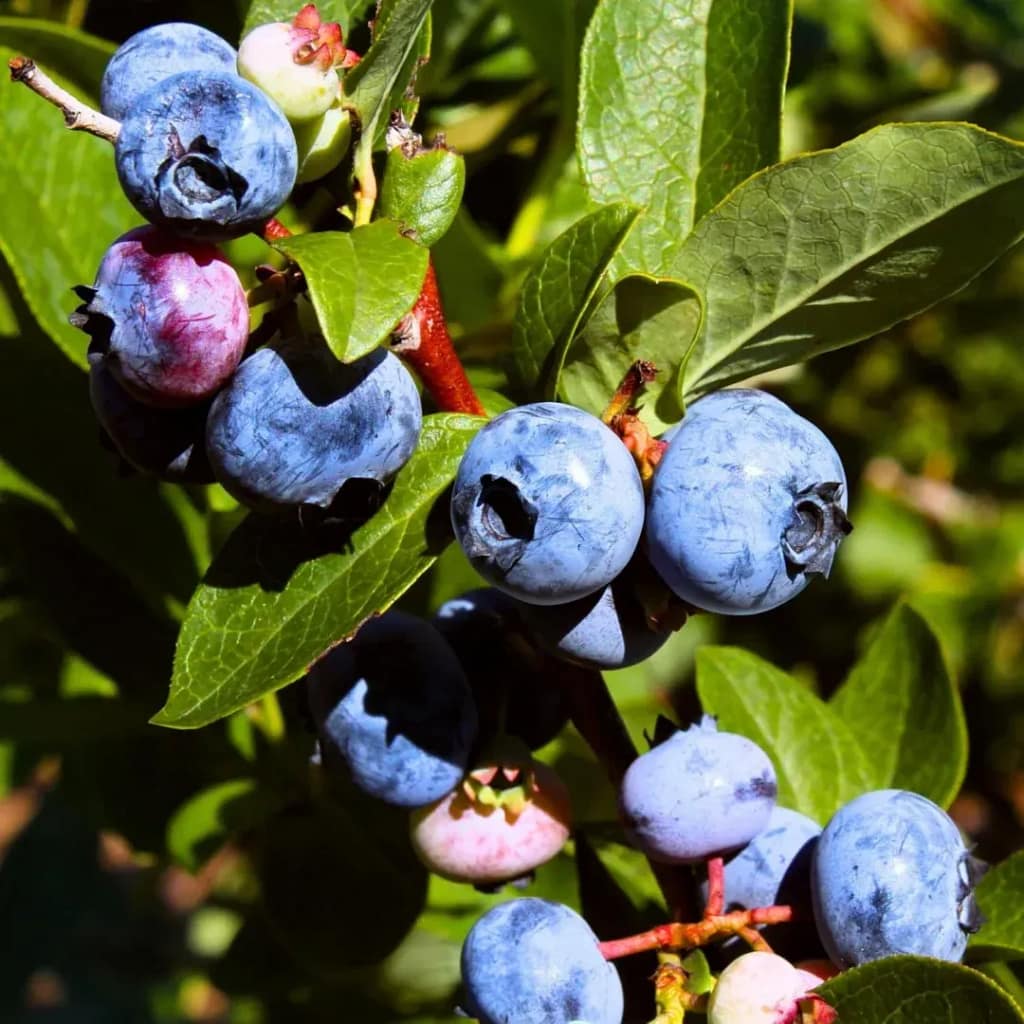
Container-grown blueberries may need durable structure and aeration through a longer crop cycle. Chip distribution and container geometry should be validated before scale-up.
Raspberries and blackberries deserve their own review of container volume, crop duration, support system and irrigation—not a copied strawberry specification.
| Crop/system | Key substrate considerations | Inputs to provide |
|---|---|---|
| Tabletop strawberries | Uniform bag fill, water distribution, drainage and handling | Plants per bag, gutter dimensions, litres per plant, irrigation pulses |
| Container blueberries | Long-term structure, aeration, container height and irrigation | Pot dimensions, crop duration, overwintering plan, physical targets |
| Raspberries | Root-zone volume, cane duration, drainage and support layout | Container or bag format, plant density, cycle length and water source |
| Blackberries | Long-cycle stability, container volume and irrigation response | Variety, system geometry, blend target and annual quantity |
| Trial programme | Representative material, documented batch and defined observations | Trial size, success criteria, timing and comparison medium |
Before a full order, define the trial and the records you will keep. Avee’s approach to quality and batch documentation explains which product details should be confirmed against the quoted material.
Do not assume they need the same material. Crop duration, container geometry and the intended water-to-air balance can differ substantially.
No single particle ratio is automatically better. Container height, irrigation, pith fraction, compaction and crop duration should be considered together and tested in the grower’s system.
Custom dimensions, fill volumes, blend directions and hole layouts can be reviewed against expected order volume and manufacturing feasibility.
Record hydration, expansion, uniformity, irrigation response, drainage, root development, crop health and physical stability over a representative period.
Send the crop, container, irrigation, current substrate, physical targets, trial volume and delivery plan for review.