 Skip to main content
How to store coco coir blocks and grow bags
Protect unused stock, keep batches traceable and know what to check before the next crop.
Keep unused coco coir identifiable, protected from contamination and stored according to the instructions for the exact product you ordered. Dry blocks, opened bags and hydrated material need different handling decisions.
This guide is a practical stock-management checklist for commercial growers. It does not assign a universal expiry date or replace the supplier’s storage instructions.
Start with the product and its packaging
Record the product name, batch reference, delivery date and any stated use-by date. Ask whether the medium contains fertiliser, wetting agents or biological additives, and obtain the applicable storage conditions in writing.
Do not transfer a shelf-life figure from a different blend to your coir. Premier Tech’s guidance on biologicals in PRO-MIX, for example, distinguishes the life of added organisms from the recommended use period of the finished growing medium. Those figures are product-specific, not an Avee coir guarantee.
Unopened blocks and grow bags
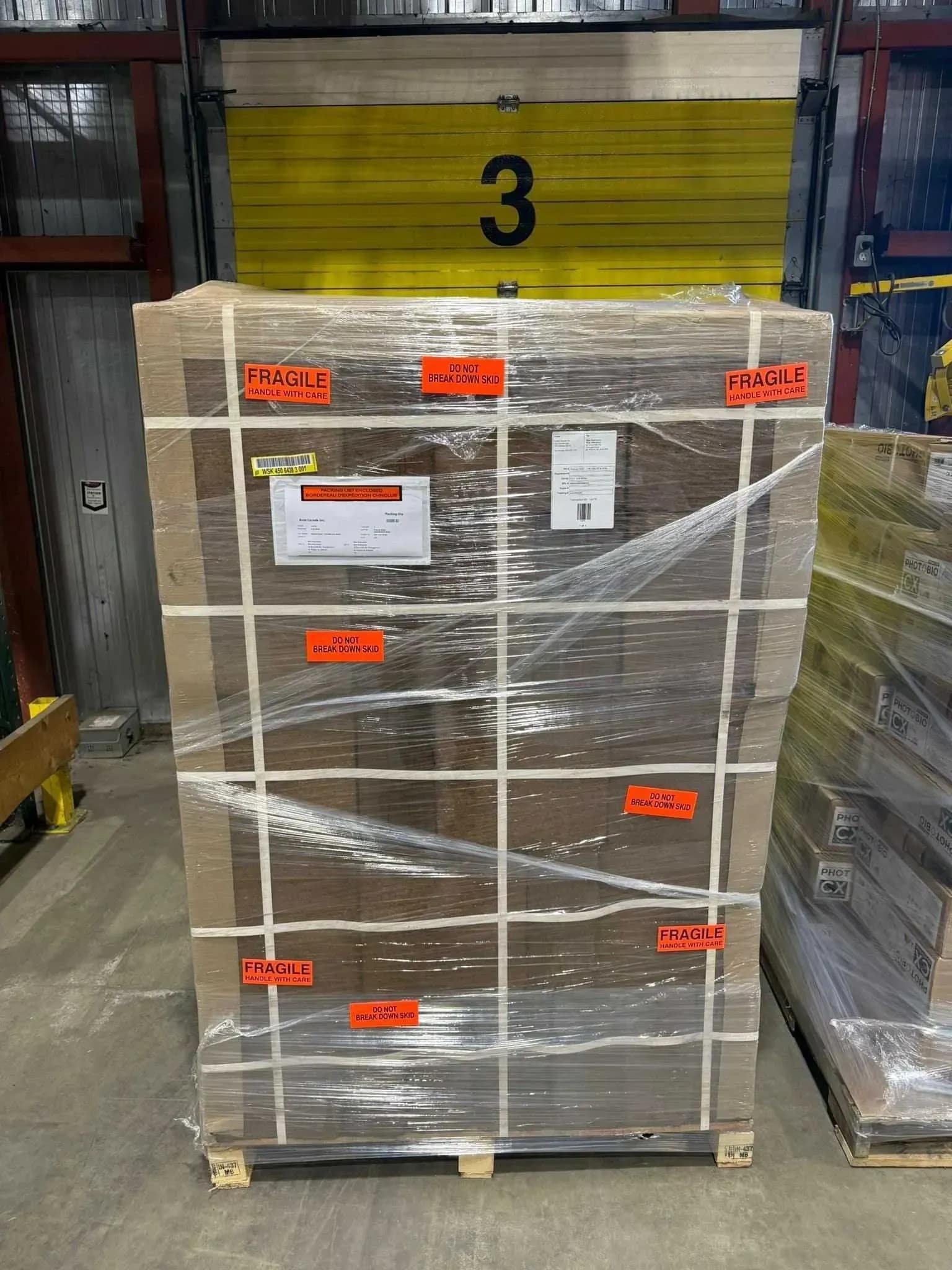
Choose a clean, protected storage area and follow the product’s requirements for moisture, temperature and sunlight exposure. Check wrapping for tears and protect the stock from rain, leaks, irrigation splash and contact with used growing media. Do not assume pallet stretch-wrap is approved for outdoor storage.
Penn State Extension’s greenhouse disease-risk checklist highlights intact packaging, protection from contaminated soil and clean equipment when moving growing media.
- Keep labels visible and batches distinguishable.
- Leave access for inspection without repeatedly moving or damaging packages.
- Follow supplier and warehouse instructions for stacking and handling.
- Keep a record of damaged or wet packages instead of returning them silently to usable stock.
Opened packaging and partially used blocks
Identify the remaining material with its original batch and opening date. Protect it in suitable clean packaging or a dedicated container, following supplier advice. Use clean scoops and preparation surfaces; do not mix floor sweepings or unidentified leftovers into the remaining stock.
Record whether anything was added after opening. “Coco coir” is no longer a complete description if the material has been blended with fertiliser, compost or another substrate.
Hydrated coir is a separate stock category
Plan hydration around the intended planting work so unnecessary wet stock does not accumulate. If planting is delayed, record when the coir was hydrated, which water or solution was used, and where it has been held. Ask your supplier or crop adviser how to assess it before use; do not treat the unopened dry-product shelf life as permission to store hydrated material for the same period.
For preparation steps, use the coco brick hydration guide. Coir that has already supported a crop belongs in a different assessment: see the grow-bag reuse guide, not this unused-stock checklist.
Rotate stock and inspect before release
Use a dated inventory so older suitable stock is considered first; respect any earlier product-specific use-by date. Premier Tech’s guidance on aged growing media recommends stock rotation and cool storage away from direct sun. Confirm how that general principle applies to your particular coir product.
- Identify: match the batch and product to the planned crop.
- Inspect: check package condition and the storage record.
- Hold exceptions: separate material with unexplained wetting, contamination, unusual growth or odour pending advice.
- Confirm suitability: request any testing or preparation checks needed for aged or questionable stock.
- Record the decision: note who approved the material and where it was used.
Appearance alone cannot certify crop safety. Where EC or pH testing is required, use a documented method and agreed specification—not an arbitrary number. See Avee’s batch-documentation guide.
Common storage questions
Does coco coir expire?
Use the stated conditions and use period for the exact supplied product. A generic claim that all coir lasts indefinitely is not a substitute for that information.
Can I store pallets outdoors?
Only if the supplier confirms that the packaging and storage arrangement are suitable. Ask about protection, inspection and the permitted storage period before choosing that option.
Should I use material with visible mould?
Hold it for assessment. Do not assume visible growth is either harmless or proof of a particular pathogen, and do not improvise a chemical treatment.
Plan storage before the delivery arrives
Include available space, handling equipment and intended use date in your order discussion. Review commercial shipping and receiving requirements alongside your storage plan.