Avee Cocoseller — Header
Lab-Tested · Factory-Direct Ontario Stocked Ships to Canada, USA & Mexico
🇨🇦 CA·🇺🇸 US·🇲🇽 MX
Cambridge, Ontario Stocked  ·  Ships Canada, USA & Mexico
In Stock — Cambridge, Ontario

Coco Coir for Blueberries — Canada, USA & Mexico

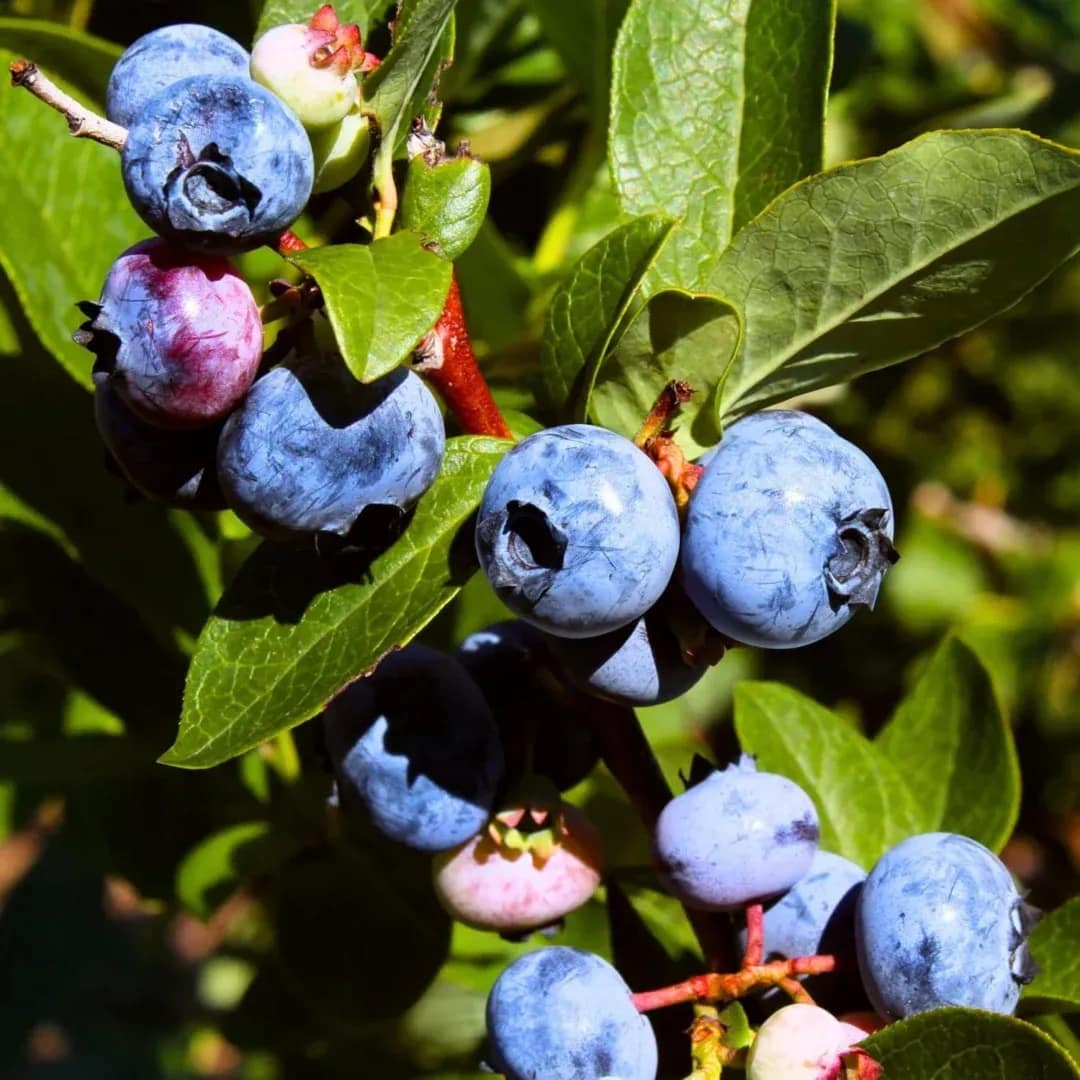
Chip-heavy coco blend engineered for potted blueberry production. Fraser Valley BC, Ontario, the US Pacific Northwest and Michigan, and Mexico's booming export sector. High air-filled porosity, low EC, pH-steerable to the acidic 4.5–5.5 range blueberries demand — and structural stability across the 8–10 year life of a potted bush. Washed, buffered, lab-tested, stocked in Cambridge, Ontario.

🫐 Pot & Tunnel Production Chip-Heavy Blend 25–35L Pot Systems 8–10 Year Substrate Life High Air-Filled Porosity pH-Steerable to 4.5–5.5 CA · US · MX
🫐 Fraser Valley, Michigan & Mexico Blueberry Growers Chip-Heavy Blend — 8–10 Year Structure pH-Steerable — Acidic Root Zone Made Easy 🇨🇦 Cambridge, Ontario — Ships This Week 🇺🇸 Washington, Oregon, Michigan & Georgia 🇲🇽 Jalisco & Michoacán — Shipping Expanding Pot · Tunnel · Open Field Washed Low-EC — Chloride Safe BC Peat-Free Compliant
~96%of Canada's Highbush
Blueberries Grown in BC
BC Blueberry Council
Top 3Mexico Among World's
Largest Blueberry Exporters
Global trade data
25–35LPot Volume per Plant
Substrate Blueberry Standard
Industry practice
4.5–5.5Target Root-Zone pH
Acid-Loving Crop
Steerable in coco
8–10 yrsProductive Life per Pot
Substrate Must Last
Avee chip-heavy blend
What Growers Say

Trusted by Blueberry Growers in BC, Michigan & Mexico

"We moved a block of new plantings into 30-litre pots on Avee's chip-heavy blend after fighting soil pH for years in Abbotsford. Drain pH steers exactly where we set it, and the structure hasn't slumped after two full seasons. Root health at repot inspection was the best we've seen."

R
R. Gill Potted Highbush Blueberry Grower — Fraser Valley, BC

"Pine bark availability was killing our expansion schedule in Michigan. We trialled Avee coco chips as the structural fraction and the air porosity numbers came in higher than our bark mix. Cross-border paperwork was handled end to end — the truck cleared without a single call."

T
T. Kowalski Container Blueberry Operation — West Michigan, USA

"Our export program in Jalisco plants everything in substrate under macro-tunnels. Consistency between batches is what matters at our scale — the washed EC on Avee's chips has held below spec on every delivery, and the plants fruited in the first season as planned."

A
A. Herrera Export Blueberry Production — Jalisco, Mexico

New Blueberry Plantings Are Moving Out of Soil and Into Coco Substrate.

Across North America, virtually every modern high-density blueberry project — and nearly all of Mexico's export-driven expansion — now plants into containers or grow bags filled with soilless substrate instead of open soil. The reason is simple: blueberries demand an acidic root zone of pH 4.5 to 5.5 and exceptional root-zone oxygen, and very little farmland naturally provides either. Substrate production removes the soil constraint entirely.

The payoff is speed and control. Potted bushes on drip fertigation reach commercial yield in their first or second season instead of the third or fourth year typical of soil establishment, planting density rises sharply, and root disease pressure drops. The substrate of choice in these systems is coco coir — specifically a chip-heavy, washed, low-EC blend that holds its open structure for the 8–10 year productive life of the bush.

Context: BC Blueberry Council · USHBC industry reporting · Mexico protected-agriculture berry sector

Critical: Blueberries Are an Acid-Loving, Salt-Sensitive Crop

Unlike tomatoes or strawberries, blueberries require a root-zone pH of 4.5 to 5.5. Above pH 5.8, iron becomes unavailable and bushes develop the classic yellowing (iron chlorosis) that stunts growth and cuts yield. Blueberries are also highly sensitive to sodium and chloride — substrate that arrives with high residual salts damages fine feeder roots before your first harvest.

Coco coir naturally sits at pH 5.5 to 6.5 and, unlike soil or high-lime mixes, holds almost no pH buffer against your inputs — so acidified irrigation water and ammonium-based feed steer the root zone down to blueberry range quickly and keep it there. But this only works when the coir arrives properly washed and low in EC. That is the Avee standard.

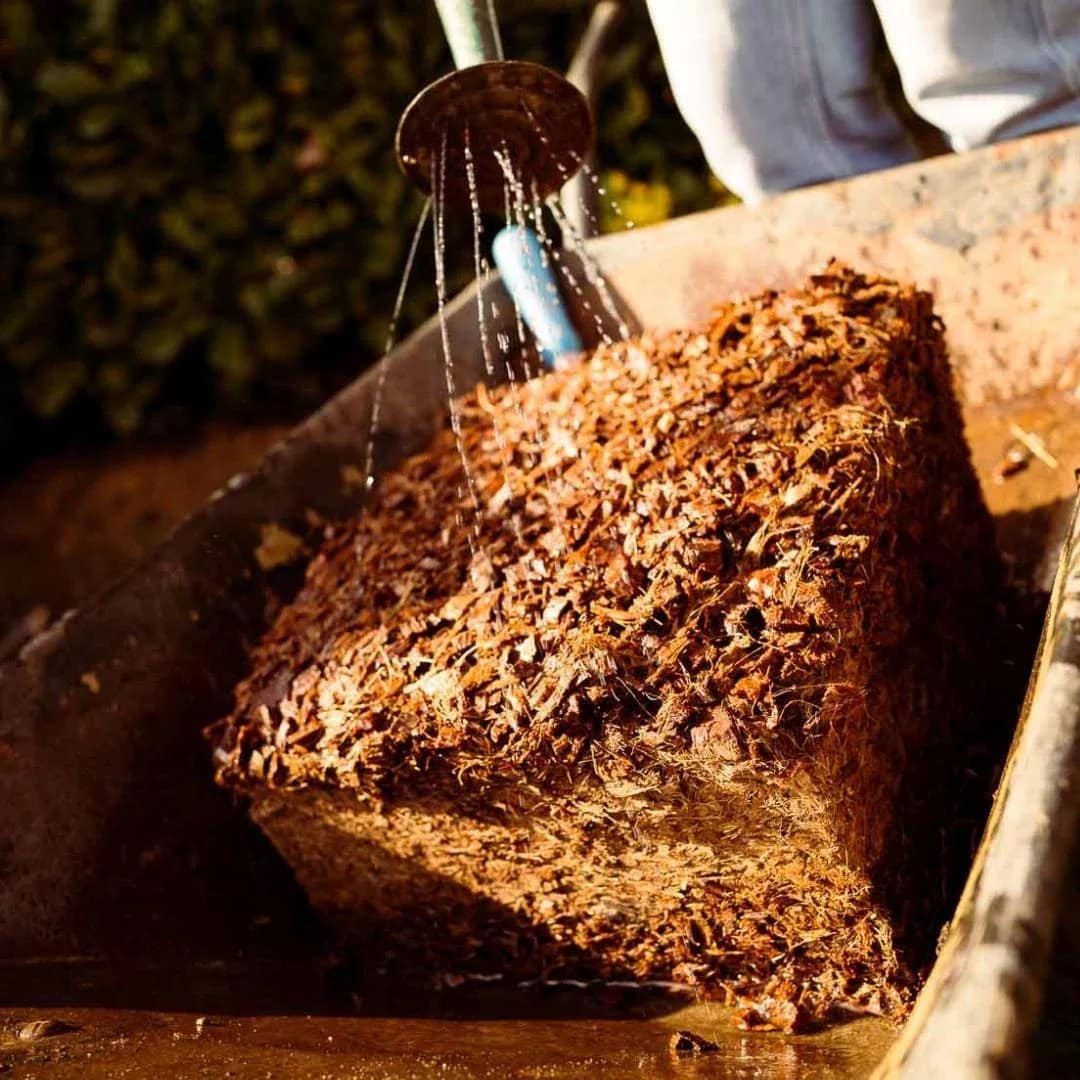
Avee blueberry blend: washed low-EC, buffered, lab-tested every batch — Cambridge, Ontario
Yr 1–2First commercial harvest in substrate vs year 3–4 in open soil
4.5–5.5Required root-zone pH — steerable in coco, near-impossible in alkaline soils
25–35%Target air-filled porosity — blueberry roots demand oxygen, chip-heavy coco delivers it
8–10 yrsWorking life of one pot of Avee chip-heavy blend with annual top-ups
Who We Supply

Coco Coir for Every Blueberry Grower — Canada, USA & Mexico

We supply blueberry operations at every scale — from Fraser Valley's established highbush sector converting to pots, to US container expansions, to Mexico's export programs where substrate is the default.

Canada — Premier RegionFraser Valley, BC

Fraser Valley Highbush & Container Conversions

BC grows roughly 96% of Canada's cultivated highbush blueberries, and new high-density plantings are increasingly going into pots to escape soil pH limits and root disease pressure. Our chip-heavy blend delivers the drainage and multi-year structure potted highbush demands — washed, buffered, and documented on every shipment.

Chip-heavyMulti-year structure
Peat-freeBC compliant
Same-weekDispatch
Canada — Emerging SectorOntario & Quebec

Ontario & Quebec Container Blueberry Growers

Container blueberry production is expanding in southern Ontario and Quebec — pick-your-own operations, nurseries, and commercial pot plantings that sidestep unsuitable native soils entirely. Our Cambridge warehouse means Ontario and Quebec growers get the fastest delivery in the country, with custom blend ratios on request.

2–4 daysOntario delivery
Custom ratioChips to pith
WashedLow-EC verified
USA — CommercialPacific Northwest, Michigan & Southeast

US Container & Tunnel Blueberry Operations

Washington and Oregon anchor US highbush production, Michigan leads the Midwest, and Georgia and Florida drive early-season southern supply — with container and tunnel systems growing in every region as pine bark gets scarcer and pricier. Avee ships cross-border from Ontario with full customs documentation handled.

Ships USAAll states
Lab verifiedEC & pH certs
Bark swapDirect substitute
Mexico — Export BoomJalisco · Michoacán · Sinaloa

Blueberry Growers in Mexico — Wholesale Coco Coir

Mexico is now one of the world's largest blueberry exporters, and nearly all of that fruit grows in substrate under tunnels — coco coir is the standard medium in Jalisco, Michoacán, and the northern states. Avee is expanding freight lanes into Mexico; contact us to confirm current availability, lead times, and container pricing for your region.

ExpandingFreight lanes
Lab verifiedEC & pH certs
Contact usConfirm availability
All Growing Methods

Coco Coir for Every Blueberry Growing Method

Whether you run potted highbush in the Fraser Valley, tunnel production in Jalisco, container expansion in Michigan, or a soil transition anywhere in between — Avee's chip-heavy blueberry blend works across every system.

Containers — Most Common
Fraser Valley · Michigan · Ontario

Pot & Container Systems

Modern substrate blueberry production plants one bush per 25–35 litre container filled with chip-heavy coco, fed by drip fertigation. Pots decouple the crop from native soil entirely — pH is steered through the feed, drainage is engineered into the blend, and root disease pressure drops sharply. Bushes fruit in year one or two and stay productive for 8–10 years in the same pot with annual substrate top-ups. This is the dominant method for new plantings in BC, the US, and Mexico.

25–35LPot volume
1 bushPer pot
2–4Drippers per pot
Protected — Export Standard
Jalisco · Michoacán · Baja

Tunnel Production — Pots Under Cover

Mexico's export blueberry sector grows almost entirely in pots or grow bags under macro-tunnels — combining substrate control with weather protection, earlier harvest windows, and premium fruit quality for the North American export market. Coco coir is the standard medium in these systems because it ships compressed, hydrates on site, and handles high fertigation frequency without waterlogging. Avee supplies compressed chips and blends by the pallet or container.

CompressedShips dense, expands on site
High AFPFrequent fertigation safe
Export gradeBatch documentation
Field — Soil Improvement
Oregon · Georgia · Atlantic Canada

Raised Beds & In-Row Soil Amendment

Where blueberries stay in the ground, growers build raised berms and amend the planting row with coarse organic material to lift drainage and acid-holding capacity. Coco husk chips are the direct substitute for the pine bark and peat traditionally used here — longer-lasting than peat, more consistent than bark, and available when regional bark supply is not. Blend chips into the berm at planting and top-dress as beds settle.

Berm blendIn-row amendment
Slow to break downOutlasts peat
ConsistentVs variable bark
Transitioning from Bark & Peat
All Regions

Pine Bark & Peat Replacement

Aged pine bark — the traditional blueberry medium — is getting scarce and expensive as sawmill output shifts, and peat faces sustainability pressure across Canada. Coco chips replicate what bark does for blueberries: coarse structure, high air porosity, slow decomposition, and low pH buffering so your acidified feed stays in control. For operations facing bark shortages or peat-free mandates, Avee's blend is a drop-in substitute with better batch-to-batch consistency.

Drop-inBark substitute
Peat-freeBC compliant
RenewableCoconut byproduct
Technical Specifications

Avee Blueberry Substrate — Full Spec Sheet

Every parameter that matters for commercial blueberry production — with the values that BC, Ontario, US, and Mexico operations require.

← Swipe for full table
Technical specs for Avee coco coir blueberry substrate
ParameterAvee Blueberry BlendWhy It Matters for Blueberries
Chip:Pith RatioChip-heavy — typically 50–70% chipsBlueberry roots are fine, shallow, and oxygen-hungry. A coarse, chip-dominant blend holds an open structure with 25–35% air-filled porosity — the opposite of the fine high-pith blends used for strawberries. Custom ratios available for your system.
Air-Filled Porosity25–35% target at container capacityRoot-zone oxygen is the single biggest driver of potted blueberry health. High AFP protects against the waterlogging and Phytophthora root rot that kill container blueberries, and permits the frequent short fertigation cycles bushes prefer.
EC LevelWashed low-EC (lab-tested)Blueberries are highly sensitive to sodium and chloride. Substrate arriving with high residual salts burns fine feeder roots before establishment. Every Avee batch is washed and lab-verified before dispatch from Cambridge, Ontario.
pH BehaviourLow buffering — steers to 4.5–5.5Coco arrives near pH 5.5–6.5 with minimal lime buffer, so acidified irrigation and ammonium-based feed pull the root zone into blueberry range fast and hold it there. Soil and bark mixes with lime resist this steering; coco follows your inputs.
BufferedCalcium buffered at sourceBuffering displaces the sodium and potassium naturally bound to coir so the substrate doesn't rob calcium and magnesium from your feed — protecting early root development and fruit firmness.
Pot Volume25–35L per bush (system-dependent)Standard commercial practice is one bush per 25–35 litre container. Smaller pots restrict the root ball and shorten productive life; larger volumes raise substrate cost without proportional yield. Contact Avee with your pot spec for fill-volume planning.
Structural Life8–10 years with annual top-upsA blueberry pot must last the productive life of the bush. Coco chips decompose far more slowly than peat or fine pith, so the blend keeps its drainage profile across a decade — one of the main reasons the global blueberry industry standardised on coco.
Peat-Free Compliance100% peat-free — renewableAll Avee products are 100% coconut coir, a renewable byproduct of coconut processing. Compliant with BC's sustainability direction and compatible with organic certification schemes in Canada, the USA, and Mexico.
Setup Guide

How to Set Up Coco Coir for Blueberries — Pots, Tunnels and Field

The complete setup workflow for commercial blueberry operations in Canada, the USA, and Mexico — with the blueberry-specific details that matter at the root zone level.

Choose a Chip-Heavy Blend — Not the Fine Blend You'd Use for Strawberries Blueberries need the opposite substrate profile to strawberries. Where strawberry root zones want fine, high-pith coco for stable moisture, blueberry roots demand coarse structure and oxygen: a blend of roughly 50–70% husk chips with 30–50% pith targeting 25–35% air-filled porosity. Avee blends to your ratio and documents it on the batch sheet.
Rule of thumb: if the blend would suit strawberries, it's too fine for blueberries
Fill 25–35L Containers — One Bush per Pot Standard commercial spec is one bush per 25–35 litre pot or grow bag, spaced for your harvest method (hand-pick rows typically 0.75–1m in-row, 3m between rows; machine systems wider). Compressed Avee chips expand on hydration — plan fill volumes from the expansion figures on your batch sheet rather than shipped volume.
Compressed product ships dense — confirm expanded volume per pot before ordering
Hydrate and Verify EC Before Planting Hydrate with clean water until the substrate is evenly wetted and runoff EC stabilises. Avee blueberry blend arrives washed, buffered, and lab-tested, so no on-farm buffering step is needed — but run a quick drain EC check as final verification, because blueberry feeder roots are unforgiving of residual salts.
Acidify Your Irrigation — Target Root-Zone pH 4.5 to 5.5 This is the step that makes or breaks substrate blueberries. Acidify irrigation water (commonly with sulfuric or citric acid injection) and use ammonium-dominant nitrogen — blueberries prefer ammonium over nitrate and it naturally acidifies the root zone. Coco's low pH buffering means the root zone follows your inputs within days, not seasons.
Critical: above root-zone pH 5.8, iron locks out and bushes yellow — steer down early
Fertigate Gently — Low EC, Frequent Short Cycles Blueberries are among the most salt-sensitive fruit crops. Run feed EC conservatively — far below tomato programs — in frequent short drip cycles through 2–4 pressure-compensating emitters per pot, with 10–20% daily drain. The chip-heavy blend drains freely, so short frequent pulses keep moisture even without ever waterlogging the crown.
Monitor Drain pH and EC Weekly — Watch for Iron Chlorosis Check drain pH and EC weekly. Rising drain pH is your early warning — correct acid injection before leaves show symptoms. Interveinal yellowing on new growth means iron lockout from high pH, not an iron shortage in the feed. Rising drain EC means salt accumulation: flush with acidified clean water and increase drain percentage.
Yellowing new growth = pH problem first, nutrition problem second
Top Up Annually — One Pot Lasts 8 to 10 Years Unlike annual crops, a blueberry pot is a decade-long asset. Coco chips break down slowly, so the blend holds its drainage profile year after year — just top up each season as the surface settles and refresh mulch cover. Amortised over 8–10 productive years, substrate cost per kilogram of fruit is a fraction of what the up-front price suggests.
Amortise substrate over the life of the bush — not per season — when costing your project
Head-to-Head

Coco Coir vs Pine Bark vs Peat for Blueberries — Canada, USA & Mexico

Blueberries traditionally grew in pine bark and peat mixes — or acidified soil. Here is why the global industry has standardised new plantings on coco coir, and what each medium actually delivers at the root zone.

← Swipe for full table
Avee coco coir vs pine bark vs peat moss for blueberry production
FactorAvee Coco Chips 🇨🇦🇺🇸🇲🇽Pine BarkPeat Moss
pH Steering to 4.5–5.5Low buffering — follows your acid programGood — naturally acidicGood — acidic but drifts
Air-Filled Porosity25–35% — engineered coarse blendGood when freshLow — compacts and suffocates roots
Structural Life in a Pot8–10 years — chips resist breakdownDecomposes and slumps over timeBreaks down fastest — loses drainage
Batch ConsistencyLab-tested, documented every batchHighly variable by mill and ageVariable — source dependent
Supply AvailabilityReliable — stocked Cambridge, OntarioRegional shortages, rising costHarvest-limited, facing restrictions
Salt Profile on ArrivalWashed low-EC, chloride-safe, verifiedGenerally lowGenerally low
SustainabilityRenewable coconut byproduct — peat-freeByproduct, supply-constrainedBog extraction — non-compliant with peat-free mandates
Shipping DensityCompressed — expands 4–5× on siteShips loose and bulkyCompressed bales available
Ships to USA & MexicoUSA live, Mexico lanes expandingRegional onlyRegional only
Products for Blueberry Growers

Coco Coir Products for Every Blueberry System

Get Blueberry Pricing →
Coco husk chips for potted blueberry production — Canada USA Mexico Most Popular
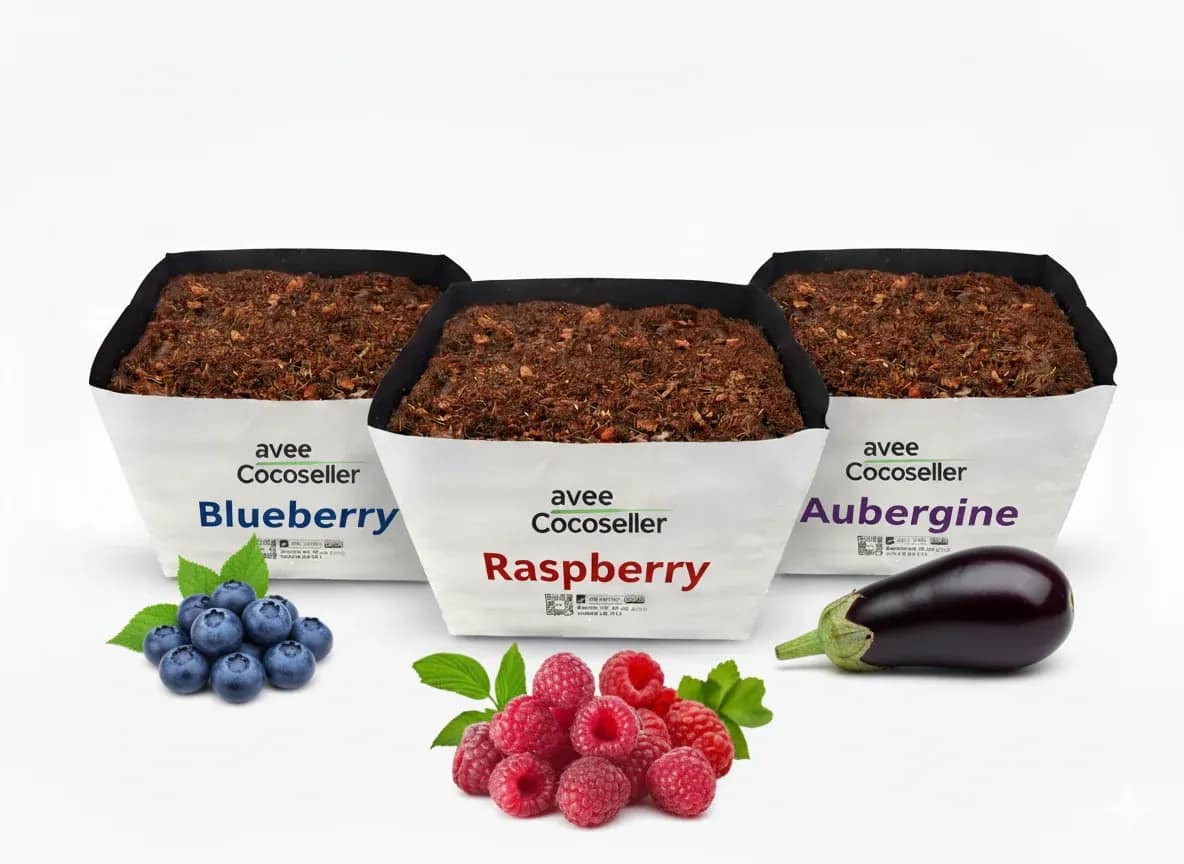
Coco Husk Chips — Blueberry Blend Base

The structural backbone of blueberry substrate. Coarse-grade chips deliver the 25–35% air-filled porosity and decade-long structure potted bushes demand. Available pure or pre-blended with pith to your ratio — 50–70% chips is the blueberry standard.

Coarse gradeHigh air porosity
8–10 yrsStructural life
Custom ratioBlended to spec
View Husk Chips
Open top grow bags for tunnel blueberry production — Canada USA Mexico
Open Top Grow Bags — 25–35L

Pre-filled planter bags sized for one blueberry bush — the fastest route from delivery to planted row. Standard in Mexico's tunnel systems and increasingly in North American container operations. Hydrate, cut drainage, plant. UV-stabilised film for multi-year field exposure.

25–35LOne bush per bag
UV filmMulti-year outdoor
View Open Top Bags
Compressed coco peat blocks for blending blueberry substrate — Canada USA Mexico
Coco Peat Blocks — Blend Component

The pith fraction of your blueberry blend — 30–50% fine coco peat balances the chips' drainage with water and nutrient holding. Compressed 5kg blocks ship dense and expand on site, ideal for operations blending their own ratio at the farm.

30–50%Of blueberry blend
5kg blocksExpands ~4–5×
View Coco Peat Blocks
Where We Deliver

Blueberry Substrate Delivered Across Canada, USA & Mexico

Same-week dispatch to every major blueberry production region in Canada, into key US states, and increasingly into Mexico — from Cambridge, Ontario.

🇨🇦
Canada — BC & CentralFraser Valley · Same-week dispatch
Abbotsford Chilliwack Pitt Meadows Richmond Langley Ontario Quebec
🇺🇸
USA — Blueberry StatesCross-border pricing on request
Washington Oregon Michigan Georgia Florida California New Jersey
🇲🇽
Mexico — Shipping ExpandingContact us to confirm availability
Jalisco Michoacán Sinaloa Colima Guanajuato Baja California
BC, Ontario & cross-border growers: Our Cambridge, Ontario warehouse ships same-week to Fraser Valley and Ontario, cross-border to Washington, Oregon, Michigan and the Southeast with full documentation, and Mexico shipping lanes are expanding. Contact us for freight pricing and batch documentation →
FAQ

Questions from Blueberry Growers in Canada, the USA & Mexico

What is the best coco coir blend for blueberries — coarse or fine?

Coarse — always. Blueberry roots are fine, shallow, and oxygen-hungry, so the standard blueberry blend is chip-heavy: roughly 50–70% coco husk chips with 30–50% pith, targeting 25–35% air-filled porosity. This is the opposite of the fine, high-pith blends used for strawberries. Avee blends chips and pith to your specified ratio and documents it on every batch sheet from Cambridge, Ontario.

Yes — coco coir is now the standard medium for new commercial blueberry plantings worldwide. Nearly all of Mexico's export blueberry production and most new high-density projects in North America grow in pots or bags of coco substrate rather than soil. The keys are a chip-heavy blend for drainage, washed low-EC material, and an acidified fertigation program that steers root-zone pH to 4.5–5.5.

Coco arrives near pH 5.5–6.5 with very little lime buffering — which is exactly why it works for blueberries. Acidify irrigation water (sulfuric or citric acid injection are common) and use ammonium-dominant nitrogen, which blueberries prefer and which naturally acidifies the root zone. Monitor drain pH weekly and hold it at 4.5–5.5. Unlike soil, coco follows your inputs within days — rising drain pH just means adjusting acid injection, not a season-long fight.

Standard commercial practice is one bush per 25–35 litre container or open-top grow bag, with 2–4 pressure-compensating drip emitters per pot. Smaller volumes restrict the root ball and shorten the productive life of the planting; going much larger raises substrate cost without proportional yield. Send us your pot or bag spec and we'll calculate fill volumes from the expansion figures for your blend.

A chip-heavy coco blend holds its structure for the full 8–10 year productive life of a potted blueberry bush, with simple annual top-ups as the surface settles. Coco chips decompose far more slowly than peat or pine bark, which slump and lose drainage over time — this longevity is one of the main reasons the global blueberry industry standardised on coco. Amortised over a decade, substrate cost per kilogram of fruit is small.

Each medium can grow blueberries, but coco chips win on the factors that matter at commercial scale: batch-to-batch consistency (lab-tested and documented, versus highly variable bark), structural life (8–10 years versus bark and peat that decompose and slump), supply reliability (bark faces regional shortages; peat faces sustainability restrictions), and shipping density (compressed coco expands 4–5× on site). For operations facing bark shortages or peat-free mandates, coco is the direct substitute.

Yes — Mexico is a priority market for us. Mexico is now one of the world's largest blueberry exporters, with production concentrated in Jalisco, Michoacán, and the northern states, grown almost entirely in coco substrate under tunnels. Avee is expanding freight lanes into Mexico from our Ontario warehouse and can also quote factory-direct container loads for large programs. Contact us at info@a-vee.com to confirm current availability, lead times, and pricing for your region.

Same-week dispatch from Cambridge, Ontario. Ontario and Quebec operations receive within 2 to 4 business days. BC Fraser Valley ships same week — typically 5 to 7 days. Washington, Oregon, Michigan, and the US Southeast ship same week with full cross-border freight documentation handled by us, and Mexico lanes are expanding. Contact us well before your planting window to lock in timing on volume orders.

Ready to Order?

We supply blueberry operations at every scale — from single-tunnel container plantings to large export programs across Canada, the USA, and Mexico.

  • Chip-heavy blend — built for blueberry root zones
  • 25–35% air-filled porosity — oxygen-rich, rot-resistant
  • Washed low-EC — chloride-safe, lab-tested every batch
  • pH-steerable to 4.5–5.5 with your acid program
  • 8–10 year structural life — a decade-long asset per pot
  • Same-week dispatch from Cambridge, Ontario
  • US shipping live, Mexico lanes expanding
Get Blueberry Substrate Quote →
In Stock — Cambridge, Ontario · Ships Canada, USA & Mexico

Wholesale Blueberry Substrate for Canada, USA & Mexico

Chip-heavy blend. Washed low-EC. pH-steerable to 4.5–5.5. Lab-tested every batch. For pot, tunnel, and field blueberry production from Fraser Valley to Michigan, and export programs across Mexico.

or reach us directly