
- Home
- About
-
Grow mediaCoco peat blocks Bulk loose coir pith Coco husk chipsGrow bagsCoir grow bags Open-top grow bagsPropagationSeed starter pellets Propagation cubes Coir fibre bales View all products →
-
By cropCannabis Tomatoes StrawberriesBy applicationGreenhouse Horse bedding Mushroom substrate All solutions →
Coco Coir for Abbotsford Greenhouses and Berry Growers
Abbotsford's berry fields and greenhouse operations run at commercial scale, and the substrate behind them needs to match — pallet volumes of coco peat blocks, grow bags built for row or bench production, and coco-chip blends that hold structure through a full season. Avee Cocoseller supplies these formats direct from its own manufacturing operations in Pollachi and Peravurani, Tamil Nadu, fulfilled through our Cambridge, Ontario warehouse or made to order.
The Fraser Valley Substrate Problem
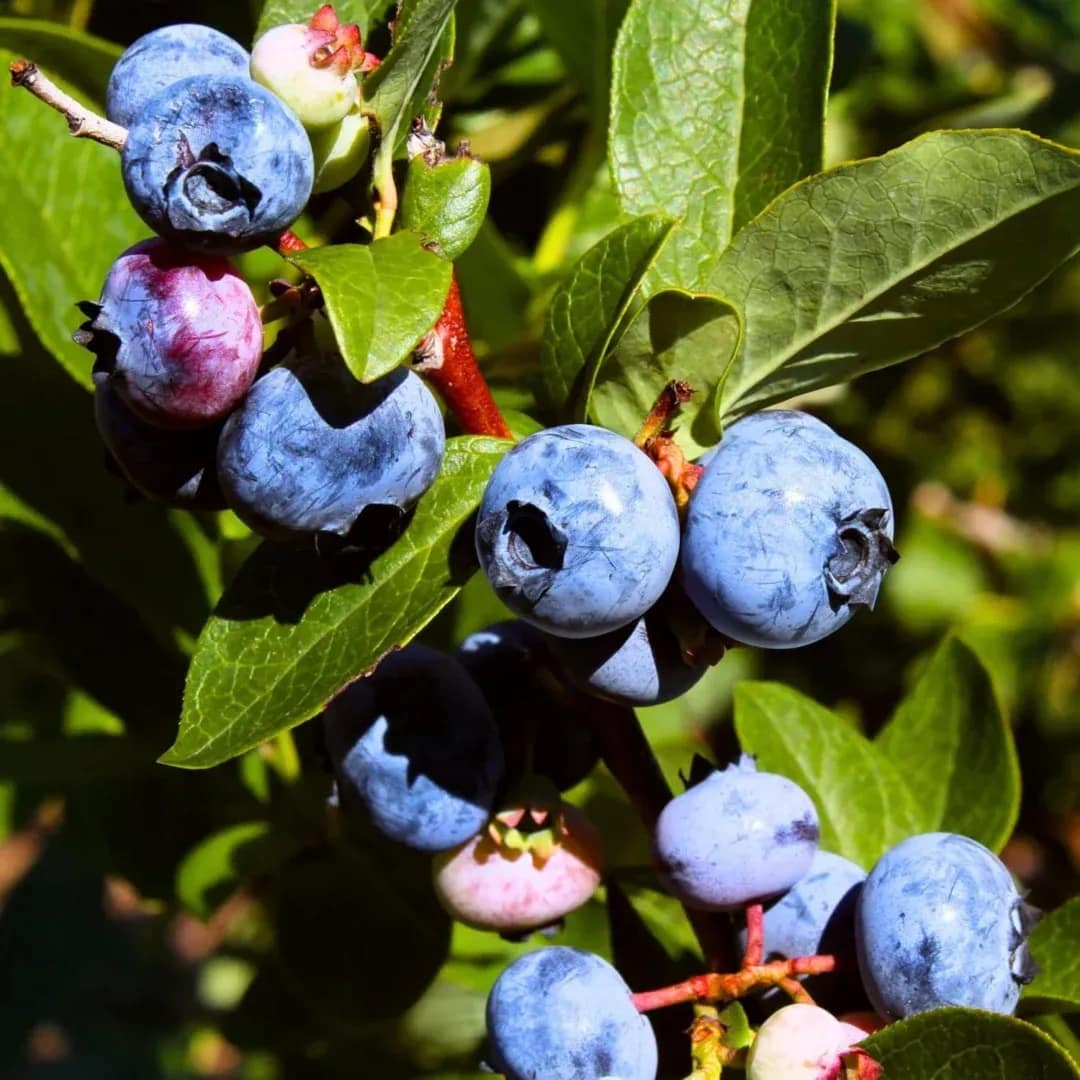
Roughly 72% of Abbotsford's land base sits within the Agricultural Land Reserve, and the city carries some of the highest blueberry and raspberry acreage in the province. Operations at that scale don't run well on small retail bags bought a pallet at a time from whatever's on a local shelf. The practical challenge for a Fraser Valley buyer is finding a supplier who can quote consistent, batch-documented substrate at commercial volume — and who is upfront about where that product is actually coming from and how long it takes to reach a Fraser Valley postal code, rather than papering over the distance with vague "fast shipping" language.
Recommended Formats for Berries and Greenhouse Production
For berry rows and greenhouse benching, we typically point Abbotsford buyers toward three formats. Propagation cubes and nursery-format substrate are also available as a secondary line for operations running their own nursery stock alongside field production.
Commercial Grow Bags
A 70/30 pith-to-chip blend is common for berry and greenhouse vegetable production; custom dimensions, planting-hole configuration and drainage layout may be available depending on order volume. Some formats are held as Canadian inventory, others are made to order — we'll confirm which applies to your quantity before you commit.
5 kg Coco Peat Blocks
Compressed to roughly 30×30×12 cm, expanding to approximately 70–75 litres of rehydrated substrate at a 5:1 compression ratio, with EC below 0.5 mS/cm and pH in the 5.5–6.5 range. Calcium-buffered options are available on request.
Coco-Chip Blends
Useful where growers want more air porosity and drainage in raised berry beds or greenhouse container systems than straight peat provides.

Technical Considerations Before You Order
Coco substrate performance depends on more than the bag it comes in. Triple-washing and calcium buffering affect how quickly a crop stabilizes after transplant; compression ratio affects how much finished, expanded product you actually get per compressed unit; and blend ratio (pith vs. chip) affects water-holding versus drainage — a real consideration for Fraser Valley's wetter shoulder seasons. Batch documentation covering these specifications is available on request rather than published as a blanket claim, since specs can vary slightly by production run.
An Honest Answer on Fulfilment and Freight
Avee does not operate a warehouse, office or stocking point in British Columbia. Our confirmed Canadian warehouse and distribution point is in Cambridge, Ontario. When the product you need is available there, your order dispatches from Cambridge — but Abbotsford sits a genuine trans-Canada freight distance away, and we won't pretend that's a same-week trip. Made-to-order or custom-manufactured product ships on the production and freight schedule confirmed in your quotation, which can vary by format and volume.
For large seasonal or container-volume orders, it's sometimes worth discussing direct container supply from our manufacturing sites in India straight to a west-coast port, rather than routing everything through Ontario first. This isn't a default option and depends on your volume and timing, but for genuinely large Fraser Valley orders it can be more efficient than trans-Canada freight. Send us the product, quantity and delivery postal code and we'll work out the most efficient routing and a real freight estimate.

Fraser Valley Agricultural Context
Abbotsford's agricultural footprint is well documented. The City of Abbotsford reports that approximately 72% of the municipality's land base falls within the Agricultural Land Reserve. Per the most recent published Census of Agriculture figures (2011), the city counted 1,282 farms, with blueberry production covering roughly 6,410 acres and raspberry production roughly 3,242 acres. The area's berry-processing sector also has real history: Abbotsford has been home to berry processing operations dating back to 1948. Abbotsford's ALR land also supports a mix of production types, including federally licensed cannabis cultivation permitted under BC Agricultural Land Commission rules and Health Canada oversight — noted here only as regional land-use context, not as a claim about our product's use in that sector.
Manufacturing and Batch Documentation
Every format above is produced through Avee's own manufacturing operations in Pollachi and Peravurani, Tamil Nadu — we're the manufacturer, not a reseller repackaging third-party coir. "Factory-direct" refers to that manufacturing relationship, not to Canadian or BC production or warehousing. Batch documentation covering EC, pH and wash process is available on request for commercial buyers who need it for their own quality records.
Nearby Fraser Valley Coverage
If your operation is focused on nursery stock and propagation rather than field berries or general greenhouse production, our Langley coco coir page covers that ground in more depth. For technical grow-bag specifications and broader provincial ordering, see the links below.
FAQs
Do you have a warehouse or stock point in Abbotsford or elsewhere in BC?
No. Avee's only confirmed Canadian warehouse is in Cambridge, Ontario. We don't hold inventory in British Columbia, and we won't claim otherwise. Orders either dispatch from Cambridge when the product is available there, or ship on a made-to-order schedule confirmed in your quotation.
Which coco coir format works best for blueberry and raspberry production versus greenhouse vegetables?
It depends on your growing system. Field or raised-bed berry production often benefits from a coco-chip blend for drainage, while greenhouse bench and container production more commonly uses grow bags or peat blocks. Tell us your crop and system and we'll recommend a format rather than a generic answer.
Can you supply container-volume orders for larger Fraser Valley operations?
Yes, pallet and container-volume orders are available, and for genuinely large orders we can discuss direct container supply from our India manufacturing sites to a west-coast port as an alternative to trans-Canada freight from Cambridge. This is evaluated case by case based on your volume and timing.
What's the EC and pH range on your coco peat blocks?
Our 5 kg coco peat blocks run EC below 0.5 mS/cm and pH between 5.5 and 6.5, triple-washed, with calcium-buffered options available on request. Full batch documentation is available for commercial buyers.
Are vertical or tower growing systems in the Fraser Valley suited to coco substrate?
Vertical and tower production systems for berries exist in the Fraser Valley using a range of growing media, not all of them coco-based. If you're running or planning a vertical system, tell us your setup and we'll advise on whether our grow bag or peat block formats are a fit — we won't assume compatibility without knowing your system.
Do you offer nursery or propagation formats alongside your berry and greenhouse products?
Yes, propagation cubes and nursery-format substrate are available as a secondary line. For nursery-focused sourcing in more depth, see our Langley coco coir page.
Get a Fraser Valley Quotation
Ready to price out grow bags, peat blocks or coco-chip blends for your Abbotsford operation? Send us your product, order quantity and delivery postal code and we'll put together an accurate freight and transit estimate — no guessing, no inflated same-week promises.
Contact Avee